
What Fits in a 10 Yard Dumpster—and When It’s the Right Size
A 10 yard dumpster rental is the compact, do‑it‑all workhorse for small projects that still generate more debris than curbside pickup can handle. Sized for tight driveways and residential streets, a 10 yard container typically holds about 10 cubic yards of material—roughly the equivalent of 3–4 pickup truck loads or 50–70 contractor bags. Many units measure around 12 feet long, 7.5 feet wide, and 3.5 feet high, giving you a low sidewall that’s easy to load by hand. It’s a smart choice when you want a driveway‑friendly solution that minimizes site disruption while keeping cleanup efficient and contained.
For home improvement work, the 10 yard size shines on single‑room remodels and targeted upgrades. Tearing out a bathroom’s old tile, vanity, and drywall; replacing a small kitchen’s cabinets and countertops; or pulling up worn flooring in a few rooms are all ideal scenarios. The shorter height helps when loading bulky items like old appliances, doors, or base cabinets, and most roll‑offs feature a swinging door for walk‑in access. If you’re decluttering before a move or tackling an estate cleanout, this size neatly handles furniture, clothing, toys, and household odds and ends without overwhelming your space.
Yard and exterior work also fits the 10 yard profile. Seasonal pruning, small tree removals, fence panels, siding scraps, and storm debris can go straight into the container so your property doesn’t become a staging area. For roofing, a 10 yard dumpster is commonly used on smaller homes and garages for single‑layer asphalt shingles and underlayment. The container’s footprint lets you position it close to the structure, reducing labor and helping keep nails and scraps off the lawn and driveway. Keeping the load level with the rim is essential, both for safety and to meet hauling regulations.
Heavy materials deserve special mention. Because asphalt, concrete, brick, dirt, and tile are dense, a 10 yard dumpster is often the preferred size specifically to control weight. Many rentals include a weight allowance geared to typical household or light construction debris, while dedicated heavy‑debris loads may have different limits or fill lines. If your project includes concrete patio removal or masonry demolition, this size provides enough capacity without risking overage charges tied to tonnage. When in doubt, consult your provider about debris type so you can match the container and loading plan to your material mix.
Pricing, Permits, and Pro Tips to Avoid Extra Fees
Clear, transparent pricing helps you plan your project, and 10 yard containers typically come with a flat‑rate that includes delivery, pickup, a rental window, and a set weight allowance. Final costs vary with location, debris type, and disposal market rates across Missouri. Expect different pricing for mixed household waste versus heavy materials like concrete or roofing, since disposal and recycling options differ. Overweight charges are calculated per ton over the included limit, and extra days may incur a modest daily fee. Blocking the driver’s access, overfilling past the rim, or placing restricted items inside can also lead to avoidable surcharges.
Placement matters. When a dumpster sits on private property—like your driveway—permits are generally not required. However, placing a container in the public right‑of‑way (streets, alleys, or sidewalks) in many Missouri cities may require a permit. In St. Louis, Kansas City, Springfield, Columbia, Jefferson City, and surrounding communities, rules can vary by block and by season. Some jurisdictions ask for reflective barricades or nighttime visibility measures; others set time limits or restrict certain streets. It’s wise to check lead times—permits can take from same day to several business days—so schedule delivery after you’ve confirmed approval.
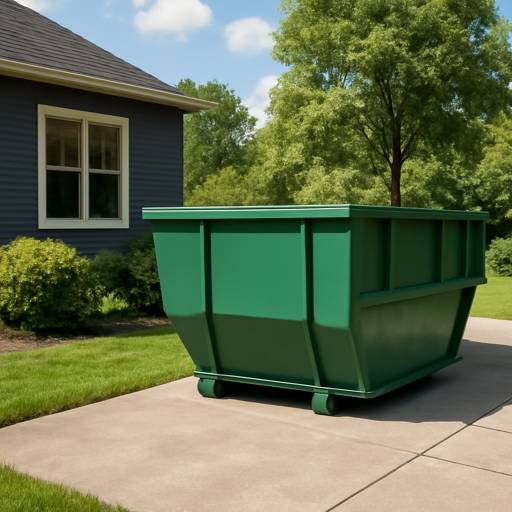
A few simple practices help keep your bill right on target. Load evenly and keep debris level with the top rail. Break down bulky items—like shelving or boxes—so air pockets don’t waste space. Stage materials near the work area to reduce labor and keep the path to the container clear of cars or equipment on delivery and pickup days. Cover the load with a tarp between work sessions to prevent wind‑blown litter and rainwater weight. Most providers prohibit items such as paint, solvents, fuel, batteries, tires, medical sharps, and appliances with refrigerant; ask about approved disposal options for these materials before you start.
Sorting can save. If you have a large amount of clean yard waste or a pure concrete load, request guidance on special rates or recycling programs. Keeping soils, stumps, and sod separate from general waste can open up local disposal options and reduce fees. Finally, think ahead about driveway protection and placement: lay plywood where the dumpster’s wheels will sit, verify there’s enough overhead clearance for delivery, and leave a 60–75‑foot straight approach for the truck. A little prep helps avoid trip charges and ensures quick, safe service when it’s time to haul away your debris.
Real-World Scenarios: From Weekend Cleanouts to Small Remodels
Weekend declutter in Kansas City: A couple tackling a garage and basement found the 10 yard roll‑off perfect for old shelving, broken tools, kids’ furniture, and long‑ignored boxes. By staging items in the garage first and flattening cardboard, they loaded the container in under a day. The low sidewalls made it easy to toss in bagged trash, and the walk‑in door simplified moving a heavy workbench. Because they kept everything below the rim and avoided restricted items, pickup was seamless and there were no extra charges. Their driveway remained open for one vehicle, proving how space‑efficient this size can be.
Bathroom remodel in the Northland: A homeowner replaced a tub/shower combo, vanity, tile, and a few studs. Rather than juggling multiple pickup loads, the 10 yard dumpster parked neatly in the driveway for a week. Demolition debris—tile, drywall, plumbing scraps—fit with room to spare after breaking down fixtures and stacking materials tightly. The family bagged smaller fragments to control dust and scheduled pickup right after the last inspection, which kept the renovation moving. For single‑room updates like this, a 10 yard bin delivers the right balance of capacity and budget without overwhelming the property.
Roof tear‑off in St. Louis County: A small ranch with a single‑layer asphalt roof used a 10 yard container strategically placed beside the driveway near the eave. Crews dropped shingles directly into the bin to minimize cleanup and stray nails. Since roofing is dense, the team monitored load level and weight as the job progressed, keeping debris even and within the allowance. The compact footprint let neighbors pass easily on the street, and the project wrapped without permit hassles because the container stayed on private property. It’s a straightforward formula: short sidewalls plus close placement equals faster, cleaner reroofs.
Springfield storm cleanup: After a summer squall, a property owner faced downed limbs, fence panels, and scattered siding pieces. A 10 yard dumpster turned a chaotic yard into a manageable workflow—branches first, then bulky panels cut to length. To prevent overfilling, the load stayed level, and heavier logs went on the bottom for stability. The owner covered the container each evening to keep lightweight debris from blowing. Because yard waste can be recyclable in some Missouri facilities, keeping soil and rocks out of the bin helped maintain eligibility for preferred disposal routes, supporting greener cleanup at a similar cost.
Concrete patio demo in Columbia: Breaking up a 10×10 slab produced dense rubble best suited for a 10 yard container dedicated to heavy debris. Filling to a marked line rather than the rim kept tonnage within the included allowance and safeguarded the haul. Rebar and wire mesh were separated where possible to simplify disposal. The homeowner scheduled a morning delivery, finished loading by afternoon, and requested same‑week pickup to clear space for the new pour. For concrete, brick, and block, the 10 yard size helps control weight limits while giving enough room to load safely. To check delivery windows across St. Louis, Kansas City, Springfield, Columbia, Jefferson City, and nearby communities—or to book your 10 yard dumpster rental—plan ahead with local guidance on placement, permits, and debris rules so your project stays smooth from drop‑off to haul‑away.

Dhaka-born cultural economist now anchored in Oslo. Leila reviews global streaming hits, maps gig-economy trends, and profiles women-led cooperatives with equal rigor. She photographs northern lights on her smartphone (professional pride) and is learning Norwegian by lip-syncing to 90s pop.
